
Data visualization isn’t just about making numbers look pretty—it’s about transforming complex information into insights that drive action and create lasting impressions on your audience.

In today’s information-saturated world, the ability to communicate data effectively has become a critical skill for professionals across all industries. Whether you’re presenting quarterly results to stakeholders, explaining research findings to colleagues, or creating content for social media, the way you visualize information can mean the difference between engaged audiences and glazed-over eyes. Charts, graphs, infographics, and visual representations transform raw data into stories that resonate, persuade, and stick in people’s minds long after they’ve left the presentation room.
📊 Why Visual Data Communication Matters More Than Ever
The human brain processes visual information 60,000 times faster than text. This biological reality makes visual data representation not just a nice-to-have feature but an essential communication tool. When you present data visually, you’re working with your audience’s natural cognitive preferences rather than against them.
Research consistently shows that people retain approximately 65% of information when it’s paired with relevant visuals, compared to just 10% when presented as text alone. This retention gap explains why data visualization has become fundamental to effective business communication, educational content, and digital marketing strategies.
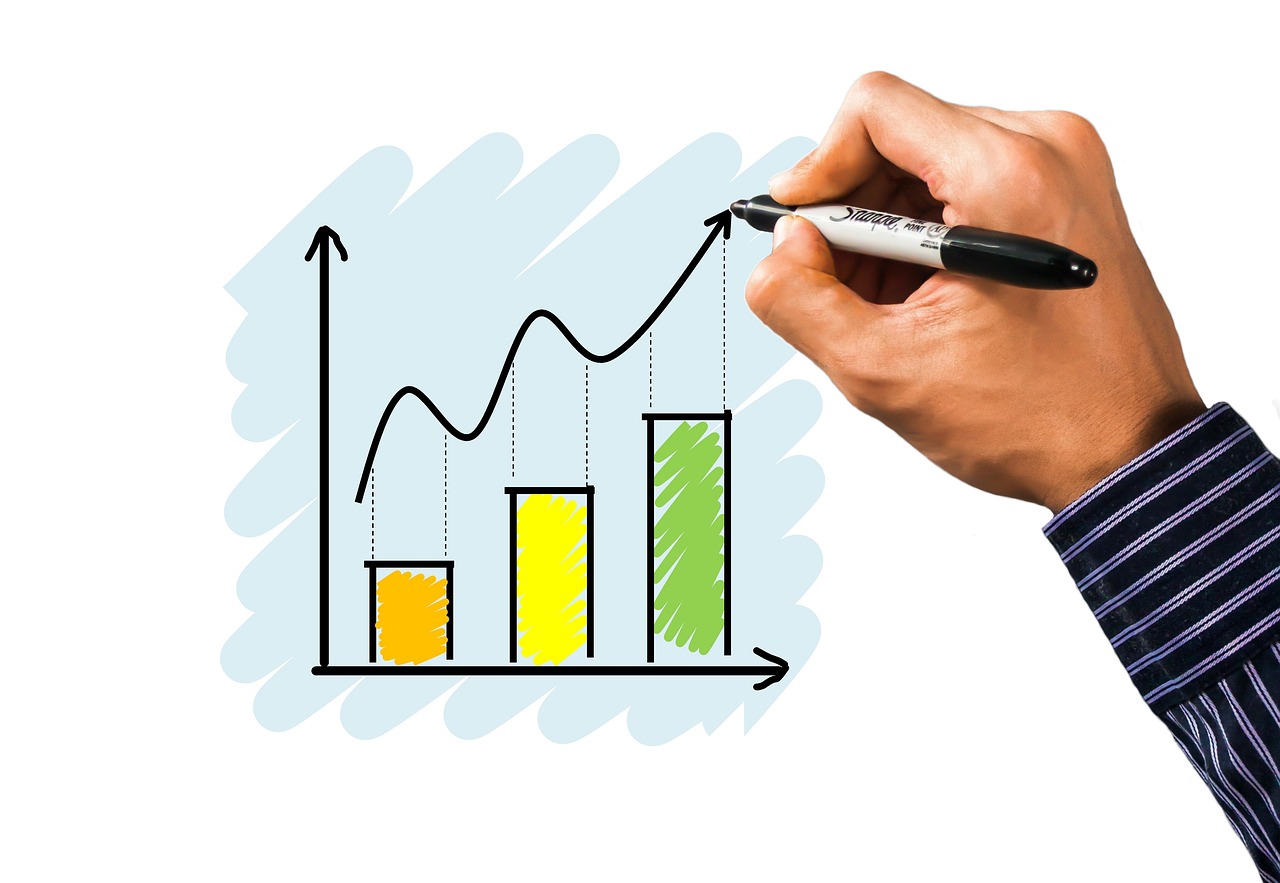
Beyond retention, visuals create emotional connections that raw numbers cannot achieve. A well-designed chart doesn’t just inform—it evokes feelings, highlights urgency, and motivates action. When viewers see a dramatic upward trend line or a pie chart showing alarming proportions, they experience an immediate emotional response that pure statistics rarely trigger.
Understanding the Psychology Behind Effective Data Visualization 🧠
Effective data visualization taps into fundamental psychological principles. The Gestalt principles of visual perception—proximity, similarity, continuity, and closure—guide how audiences interpret visual information. When you design charts with these principles in mind, you create visuals that feel intuitive and require minimal cognitive effort to understand.
Color psychology plays an equally important role. Red naturally signals urgency or decline, while green suggests growth or positive outcomes. Blue conveys trust and stability, making it ideal for corporate presentations. Strategic color choices guide your audience’s emotional response before they’ve even processed the actual data points.
The principle of progressive disclosure suggests that you should reveal information in layers, starting with the most important insights. Your visuals should have a clear hierarchy that guides the viewer’s eye from the headline finding to supporting details, creating a natural flow that tells a complete story.
Choosing the Right Chart Type for Your Data Story 📈
Selecting the appropriate visualization type is perhaps the most critical decision in data presentation. Each chart type serves specific purposes and communicates different relationships within your data. Using the wrong format can confuse your message or even mislead your audience unintentionally.
Bar Charts: The Workhorse of Comparison
Bar charts excel at comparing discrete categories or showing changes over time when you have limited data points. They’re immediately recognizable and require minimal explanation, making them perfect for presentations where you need quick comprehension. Horizontal bar charts work particularly well when category names are long, while vertical columns suit time-series comparisons.
Line Graphs: Revealing Trends and Patterns
When your story involves change over continuous time periods, line graphs provide unmatched clarity. They help audiences spot trends, identify patterns, and predict future trajectories. Multiple lines on the same graph enable powerful comparisons, though you should limit yourself to three or four lines to maintain readability.
Pie Charts: Use Sparingly and Wisely
Despite their popularity, pie charts deserve cautious use. They work best when showing parts of a whole with three to five segments maximum. Beyond this, human eyes struggle to compare slice sizes accurately. Consider using a donut chart variation to add visual interest while maintaining the part-to-whole relationship.
Scatter Plots: Uncovering Relationships
Scatter plots reveal correlations and distributions that other chart types miss entirely. They’re invaluable when exploring whether relationships exist between two variables and identifying outliers that deserve closer attention. Adding trend lines transforms scatter plots from exploratory tools into persuasive arguments.
🎨 Design Principles That Elevate Your Visual Data
Creating effective data visualizations requires balancing aesthetic appeal with functional clarity. Your visuals should be beautiful enough to attract attention yet simple enough to communicate instantly. This balance separates amateur charts from professional visualizations that truly resonate.
Start with the data-ink ratio concept introduced by Edward Tufte: maximize the ink dedicated to actual data while minimizing decorative elements. Every line, color, and shape should serve a purpose. Remove gridlines unless absolutely necessary, eliminate 3D effects that distort perception, and avoid chart junk that distracts from your message.
White space is your ally, not your enemy. Adequate spacing around elements reduces cognitive load and directs focus to what matters. Cramped visuals overwhelm viewers and hide insights within visual noise. Give your data room to breathe, and your audience will thank you with their attention and understanding.
Typography matters more than most people realize. Use clear, professional fonts at sizes large enough for easy reading. Hierarchy in text sizes guides viewers through your content naturally, with the most important elements commanding the most visual weight.
Common Visualization Mistakes That Undermine Your Message ⚠️
Even experienced professionals fall into common visualization traps that diminish their message’s impact. Recognizing these pitfalls helps you avoid them in your own work and identify unreliable visualizations when consuming information from others.
Manipulated axes represent one of the most frequent deceptions, whether intentional or accidental. Starting a y-axis at a non-zero value can exaggerate small differences, creating misleading impressions of dramatic change. Similarly, inconsistent scales across multiple charts prevent accurate comparisons and can distort overall understanding.
Overcomplication defeats the purpose of visualization entirely. When you include too many data series, excessive colors, or unnecessary dimensions, you transform clarity into confusion. If explaining your chart requires a lengthy tutorial, you’ve failed at visual communication. Simplification almost always improves effectiveness.
Ignoring accessibility excludes portions of your audience needlessly. Approximately 8% of men and 0.5% of women have some form of color vision deficiency. Using color alone to convey information means these viewers miss critical distinctions. Incorporating patterns, shapes, or labels alongside color ensures everyone can access your insights.
Tools and Technologies for Creating Compelling Visuals 🛠️
The democratization of data visualization tools means anyone can create professional-quality charts without programming expertise or expensive software. However, understanding which tools best suit different needs and skill levels helps you work efficiently and produce superior results.
Spreadsheet applications like Microsoft Excel and Google Sheets provide surprisingly robust charting capabilities for basic to intermediate needs. They offer familiar interfaces and integrate seamlessly with existing workflows, making them ideal starting points for professionals who work primarily with tabular data.
Specialized visualization platforms like Tableau and Microsoft Power BI cater to more advanced users who need interactive dashboards and complex data integration. These tools handle large datasets gracefully and offer sophisticated customization options, though they require steeper learning curves.
For presentations and reports, dedicated design tools provide polished aesthetics that spreadsheet charts struggle to match. Canva, for instance, offers templates specifically designed for data visualization that balance beauty with clarity, making professional-looking infographics accessible to non-designers.
Programming libraries like D3.js, Chart.js, and Plotly open unlimited customization possibilities for those comfortable with coding. These tools empower you to create interactive web-based visualizations that respond to user input, revealing layers of insight through exploration.
Creating Interactive Visualizations That Engage Deeply 🖱️
Static charts communicate effectively, but interactive visualizations transform passive viewers into active explorers of your data. When audiences can filter, zoom, hover for details, and manipulate views, they form deeper connections with information and discover insights personally relevant to them.
Interactivity works particularly well for complex datasets where different audience members care about different aspects. A sales dashboard might let regional managers filter to their territories while executives view company-wide trends. This personalization increases relevance without requiring multiple separate visualizations.
However, interactivity introduces complexity that must be managed carefully. Your interactive elements should feel intuitive, requiring no explanation for basic functionality. Progressive disclosure principles apply here too—start with a clear default view that tells your primary story, then offer exploration options for those wanting deeper analysis.
Performance matters critically for interactive visualizations. Laggy responses frustrate users and undermine engagement rather than enhancing it. Optimize data loading, implement efficient rendering, and test across devices to ensure smooth experiences that encourage exploration rather than abandonment.
📱 Optimizing Data Visuals for Different Platforms and Audiences
Your visualization approach must adapt to where and how audiences will consume your content. A chart perfect for a large projection screen may become illegible on mobile devices. Similarly, visuals for social media require different considerations than those for formal reports or academic publications.
Mobile optimization demands particular attention given that over 50% of web traffic now comes from smartphones and tablets. Text must be larger, interactive elements need finger-friendly sizing, and complexity should decrease. Consider creating mobile-specific versions of complex dashboards rather than simply shrinking desktop versions.
Social media platforms impose unique constraints and opportunities. Square or vertical formats work better than horizontal layouts. Animations and motion graphics stop scrolling thumbs more effectively than static images. Platform-specific features like Instagram carousel posts enable sequential storytelling through multiple related visualizations.
Corporate environments typically demand more conservative styling with brand color consistency and professional polish. Educational contexts might benefit from more explanatory annotations and step-by-step reveals. Understanding your audience’s expectations and consumption context guides appropriate design choices.
Storytelling Through Sequential Visualizations 📖
Individual charts provide snapshots, but sequential visualizations tell complete stories with narrative arcs that guide audiences from context through analysis to conclusions. This storytelling approach transforms data presentations from information dumps into memorable journeys that persuade and inspire.
Structure your visual story like any compelling narrative: establish context, introduce the problem or question, present evidence through multiple perspectives, address counterarguments or complications, and conclude with clear implications or calls to action. Each visualization should advance this story naturally.
Consistency across your visual sequence creates cohesion and reduces cognitive load. Maintain color schemes, chart styles, and formatting conventions so audiences focus on changing data rather than adjusting to different visual languages. This consistency creates a professional polish that enhances credibility.
Transitions between visualizations matter enormously in presentations. Abrupt jumps between unrelated charts disorient audiences. Instead, use bridging statements that connect each visual to the next, building a logical flow that feels inevitable rather than arbitrary.
Measuring the Impact of Your Data Visualizations 📊
Creating compelling visuals represents only half the challenge—understanding their effectiveness completes the process. Measurement approaches vary depending on your goals, but systematic evaluation helps you refine techniques and demonstrate value to stakeholders.
For presentations, audience engagement provides immediate feedback. Monitor body language, questions asked, and discussions generated. More engaged audiences lean forward, take notes, and ask specific questions about data points rather than requesting clarification about what charts mean.
Digital visualizations offer quantitative metrics through analytics tools. Track time spent viewing, interaction rates with dynamic elements, scroll depth on infographics, and sharing behavior. These metrics reveal which visuals resonate most powerfully and which require redesign or repositioning.
Ultimately, visualizations should drive outcomes—decisions made, behaviors changed, concepts understood. Define these outcomes clearly before creating visuals, then measure whether they materialize. A beautiful chart that doesn’t influence its intended outcome represents wasted effort regardless of its aesthetic appeal.
🚀 Taking Your Data Visualization Skills to Expert Level
Mastering data visualization requires continuous learning and deliberate practice. The field evolves constantly as new tools emerge, design trends shift, and research reveals deeper insights into human perception and cognition. Committing to ongoing development separates good visualizers from true experts.
Study examples voraciously, both excellent and poor. Analyze why certain visualizations work brilliantly while others fail. Publications like The New York Times, The Economist, and FiveThirtyEight consistently demonstrate visualization excellence worth emulating. Equally valuable, identify flawed charts in the wild and mentally redesign them as practice exercises.
Seek feedback actively from diverse audiences. What seems clear to you might confuse others, and fresh eyes spot issues you’ve become blind to through familiarity. Create a feedback loop where you test visualizations with representative audience members before finalizing important presentations or publications.
Experiment boldly with new approaches while maintaining core principles. Innovation drives the field forward, but experimentation without foundation produces gimmicks rather than insights. Ground your creative explorations in solid understanding of perception, cognition, and communication fundamentals.
Transforming Data Into Lasting Impact ✨
The ultimate goal of data visualization extends beyond creating attractive graphics or simplifying complex information. Your visualizations should catalyze understanding, enable better decisions, and inspire meaningful action. When done exceptionally well, they become cultural touchstones that shape how entire communities understand important issues.
Every chart you create represents an opportunity to clarify rather than confuse, to illuminate rather than obscure. By applying the principles, techniques, and approaches outlined throughout this article, you transform data from intimidating numbers into accessible insights that empower your audiences.
Remember that effective data visualization balances art and science, creativity and rigor, beauty and functionality. Neither extreme works in isolation—pure aesthetics without substance rings hollow, while technically accurate but ugly visuals fail to engage. The sweet spot lies in visualizations that are simultaneously true to the data, appropriate for the audience, and compelling enough to capture and hold attention.
Start implementing these strategies immediately in your next project. Choose chart types deliberately based on your data story, apply design principles that enhance rather than distract, and always prioritize your audience’s needs over your own preferences. With consistent practice and thoughtful refinement, you’ll develop an instinct for data visualization that makes your messages not just understandable, but truly unforgettable.